
East Coast Insulation
Open Cell Spray Foam Insulation Installation
Energy-Efficient Open Cell Spray Foam Insulation for Homes and Businesses
Open cell spray foam insulation is one of the most effective ways to improve energy efficiency, indoor comfort, and air sealing in residential and commercial buildings. At East Coast Insulation, we provide professional open cell spray foam insulation installation designed to reduce air leaks, control moisture, and create a more energy-efficient building envelope.
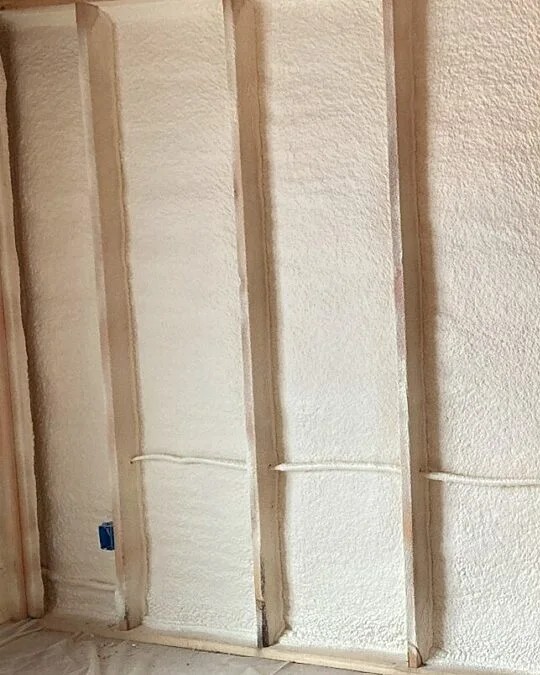
Unlike traditional insulation materials, open cell spray foam expands when applied, filling cracks, gaps, and irregular spaces to create a continuous insulation barrier. This makes it an excellent option for attics, wall cavities, and crawl spaces. Stopping air leakage and keeping the conditioned air inside the home is what open-cell foam is designed to do.
Whether you are building a new home or upgrading your existing insulation, our team provides reliable installation and long-lasting insulation performance.
What is Open Cell Spray Foam Insulation?
Open cell spray foam insulation is a lightweight insulation material that expands rapidly when applied. The foam’s open-cell structure allows it to fill small spaces and form an effective air barrier.
Once installed, the foam hardens and helps prevent unwanted air movement within the building structure.
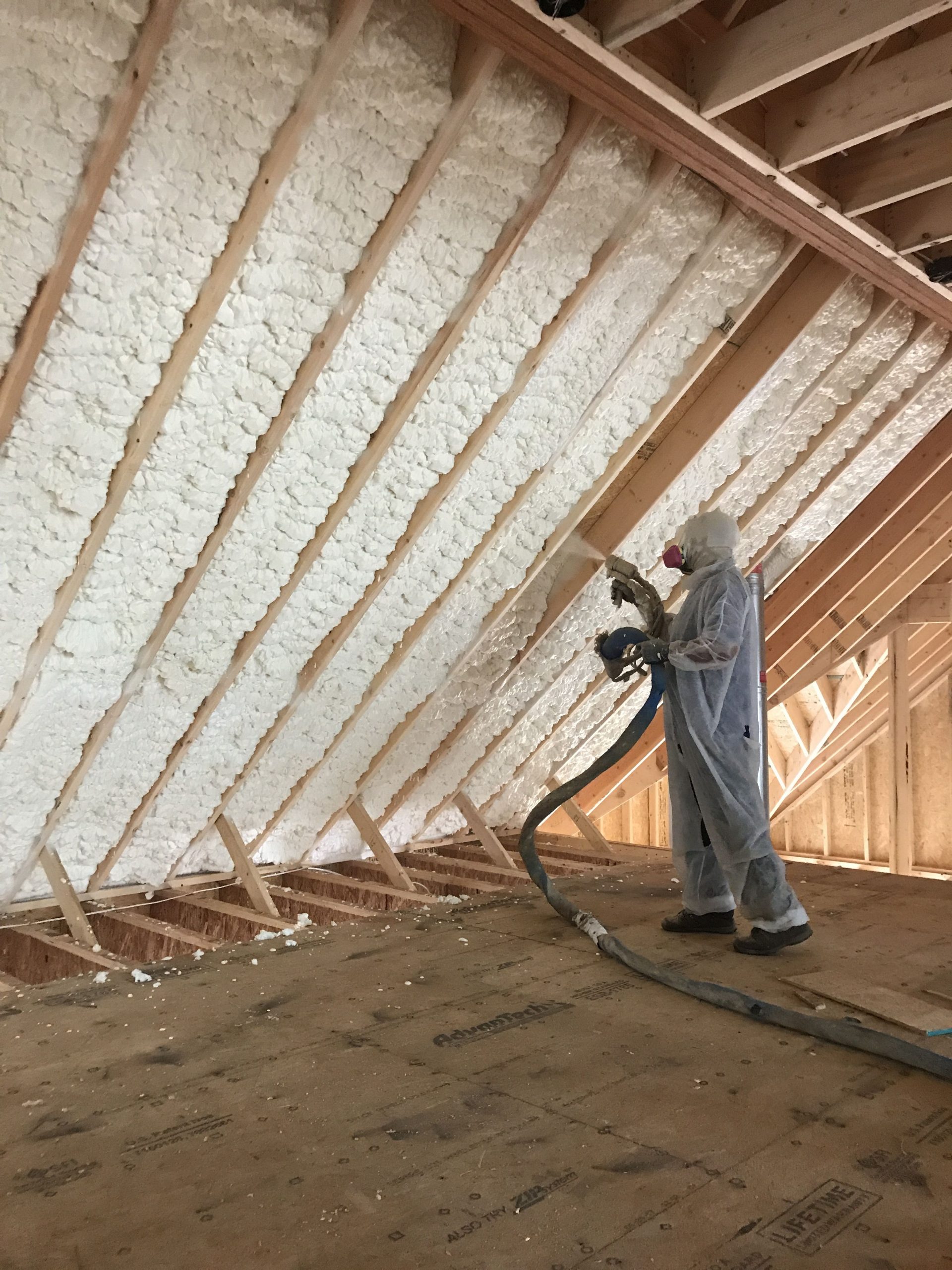
Open cell spray foam insulation is commonly used in:
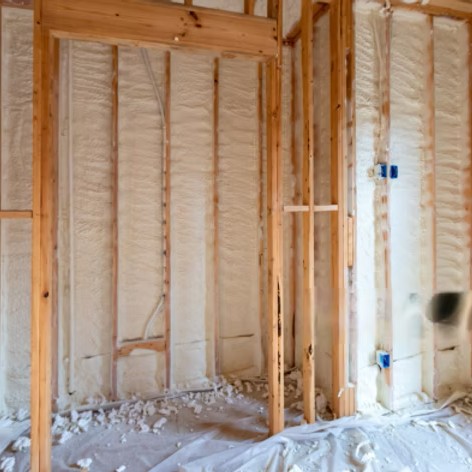
New Home Construction
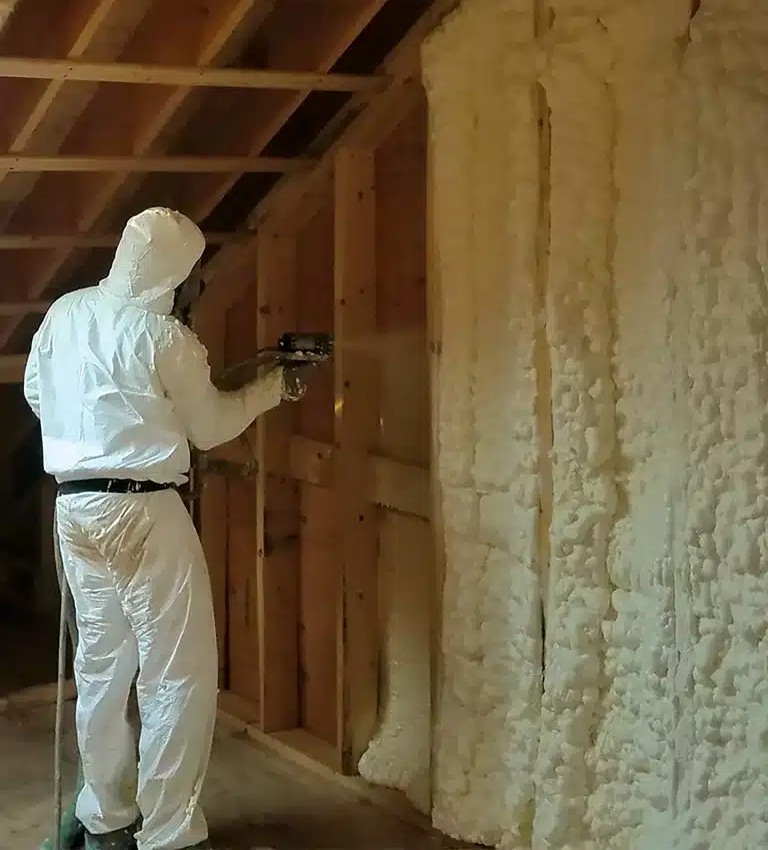
Wall Insulation Projects
Ceiling/ Floor Insulation
Garage & Basement Insulation
Property Owner Advantages
Benefits of Open Cell Spray Foam Insulation
Superior Air Sealing
Open cell spray foam expands to fill cracks, gaps, and seams, helping reduce air leakage and drafts.
.
Improved Energy Efficiency
By limiting air movement, spray foam insulation helps maintain consistent indoor temperatures and can reduce heating and cooling costs.
.
Sound Reduction
The foam’s structure helps absorb sound, making it an effective solution for reducing noise between rooms or from outside sources.
.
Long-Lasting Performance
Once installed, spray foam insulation maintains its shape and effectiveness for many years without settling or shifting.
.
Give us a “Foam” Call!
Expert Solutions
FAQ: Open Cell Spray Foam Insulation
What is the difference between open cell and closed cell spray foam?
Open cell spray foam is softer and lighter, designed primarily for air sealing and insulation, while closed cell spray foam is denser and provides higher structural strength and moisture resistance.
Is open cell spray foam good for attic insulation?
Yes. Open cell spray foam is commonly used in attics because it expands to seal gaps and helps reduce energy loss through the roof structure. It is also most commonly used in new-build or complete renovations because the sheetrock must be removed in order to use it in walls. It can be used in a retrofitted scenario, but only in roofs and crawlspaces.
How long does spray foam insulation last?
When properly installed, spray foam insulation can last for decades without settling or losing its effectiveness.
Does spray foam insulation help reduce energy bills?
Yes. Because spray foam creates an air seal, it helps reduce heating and cooling losses, which can lead to lower energy costs. Spray foam is much more efficient than fiberglass insulation when it comes to saving energy because it creates a true thermal barrier, wrapping the home in a thermal envelope.
Is spray foam insulation safe?
Yes. Spray foam insulation is made of polyurethane plastic and is completely safe. We recommend waiting an hour before enterring the home after the foam is applied. Although you may smell off-gassing for up to a few days after application, the foam itself is completely cured within 30 seconds off spraying.
Can spray foam insulation help reduce noise?
Yes. Open cell spray foam has sound-absorbing properties that can help reduce noise transfer between rooms and from outside.